
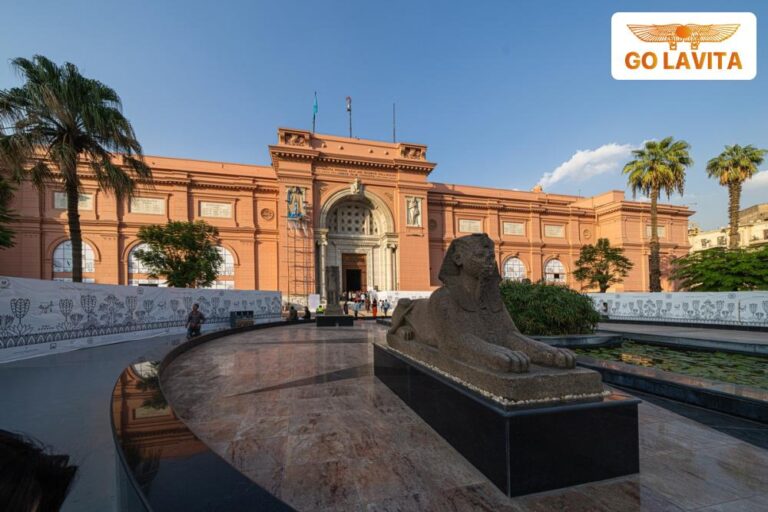
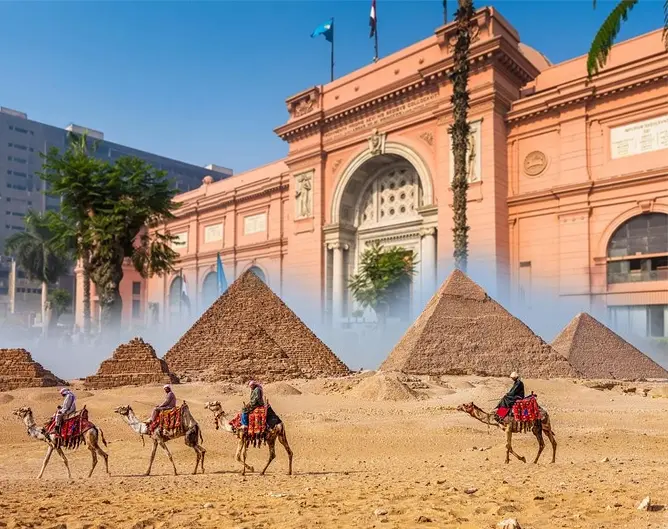
In a central point of Cairo, the capital of Egypt until now, a historical building of brilliant stones of rose color appears in front of you, shining with magnificent history. It is the Egyptian Museum that was built in AD 1835. This majestic building is the oldest archaeological museum in the Middle East and houses an extensive collection spanning from the Predynastic Period to the Greco-Roman Era.
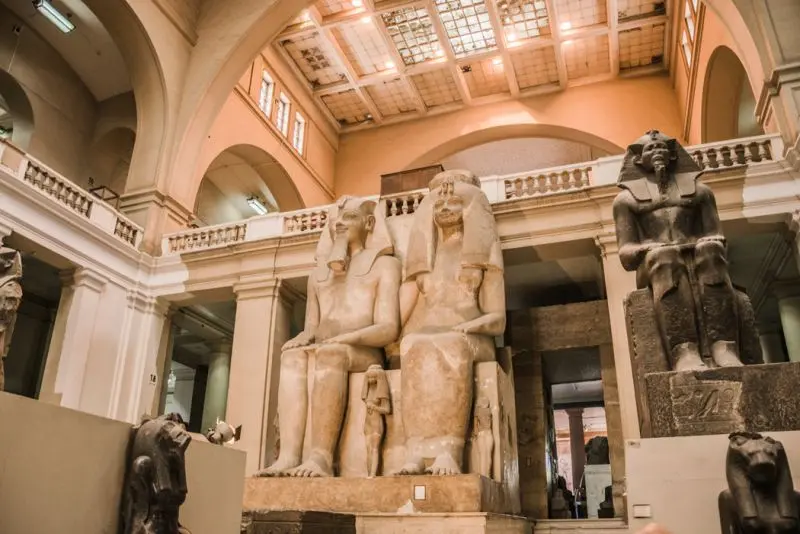
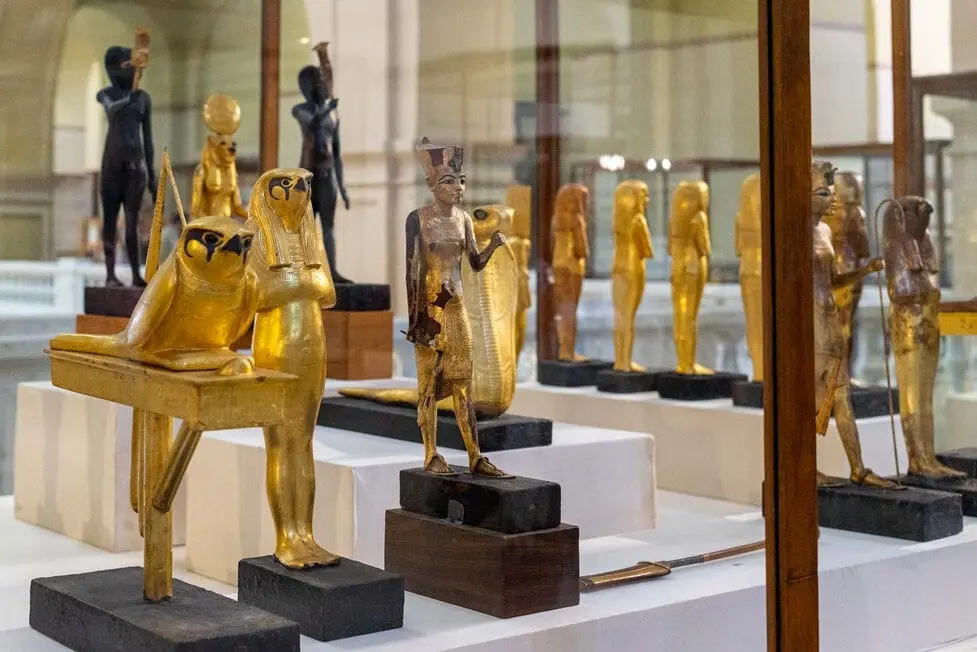
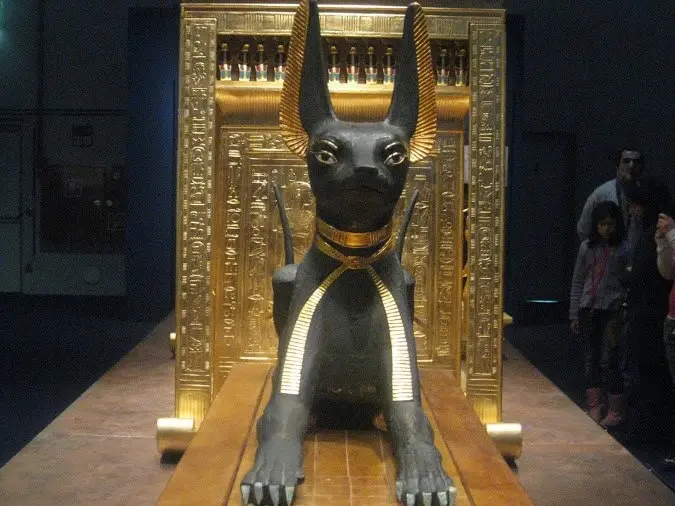
Once finding its great gate, be ready to wander amid the largest collection of Pharaonic antiquities globally. Just cross through the giant pharaonic statues that will meet you at the entrance and its great halls. Your eyes will brighten from the glossy treasures here and there. The pharaonic hands created these treasures throughout the eras of ancient Egypt.
Then, you will find yourself accompanied by Golavita’s Egyptologist, crossing through a majestic historical era and its secrets and mysteries to other eras. Hence, you feel as if you are in a time machine, not inside a museum. That is the dazzlement of the Egyptian Museum.
The museum displays over 170,000 artifacts. It has the largest collection of Pharaonic antiquities in the world, and the Egyptologists from Golavita know the whole story, secrets, and real mysteries of each antique to tell you the whole facts, making you travel magically from the museum to the era of this antique witnessing its event.
That is how you will live a great history from the Predynastic Period to the Greco-Roman Era (c. 5500 BC – AD 364).
The 2-Day Cairo Tour from Makadi Bay is a private guided tour to the Giza Pyramids, Great Sphinx, Saqqara Complex,...
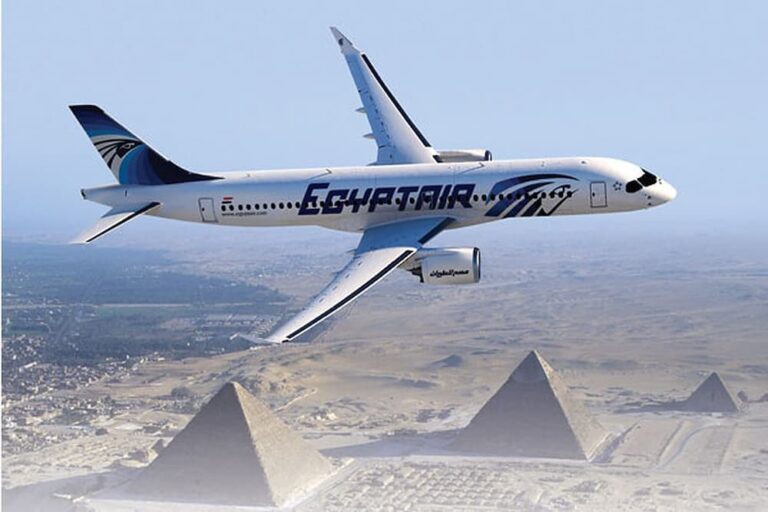
Cairo Day Tour from Makadi Bay by Plane gives you the opportunity to fly in style and arrive in Cairo...
Why book an El Gouna to Cairo day trip by plane?! Fly from the serene shores of El Gouna to...
Privately explore the timeless wonders of ancient Egypt and the rich tapestry of Egyptian culture—2-day trips from El Gouna to Cairo...
Experience the Best of Cairo: Your 2-Day Tour from Soma Bay Prepare for an unforgettable 2-day private tour from Soma...
From the charming shores of the Red Sea to the magnificence of ancient Egypt in a day trip from Soma...
Why book this 2-Day private trip from Soma Bay to Cairo?! From the serene shores of Soma Bay to the...
In 3 days, create an unforgettable change on your Hurghada holiday! From the wonderful sea marine and the adventure of...
It is your time to water the Great Statue of Sphinx and carry the Giza Pyramids in your hand; immerse...
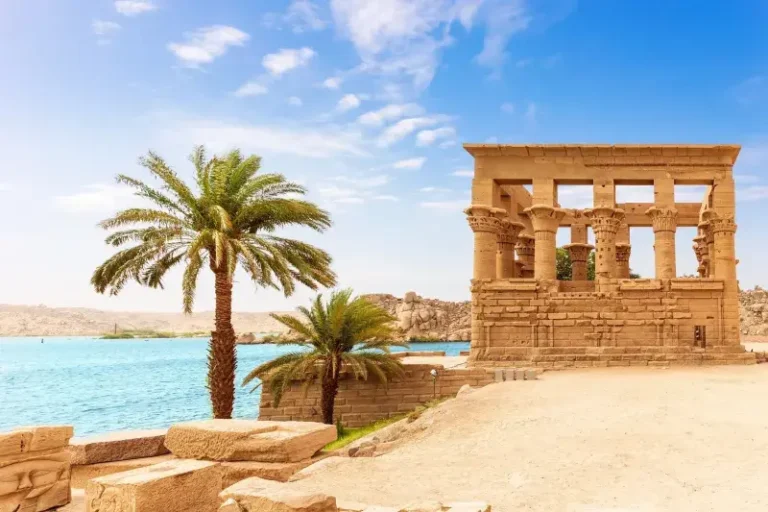
7 Nights Cairo, Aswan & Luxor Adventure means traveling through the eras in 7 days, wandering amid the pharaonic times...

Explore Honeymooners Tours: Cairo Aswan Luxor Hurghada Honeymooners Tours: Cairo, Aswan Luxor Hurghada takes you to the majesty of ancient...
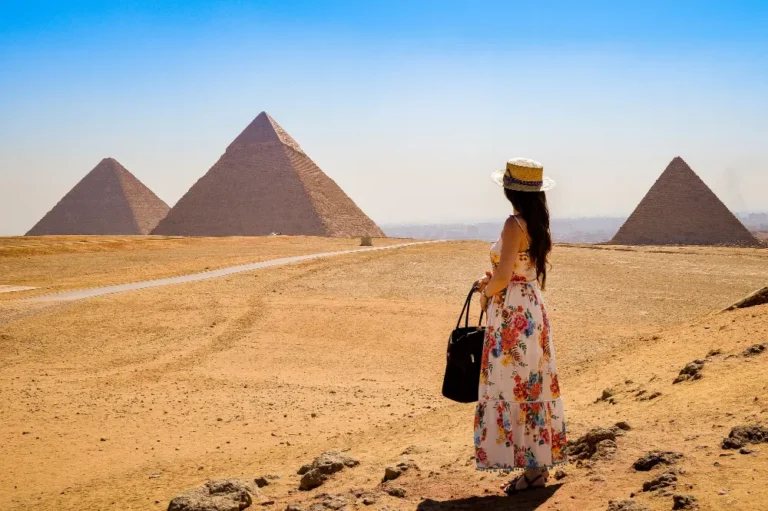
10 Days of Egyptian Majesty: Cairo, Nile Cruise, and Hurghada means immersing yourself amid Egypt's wonders, whether its unique, dazzling...
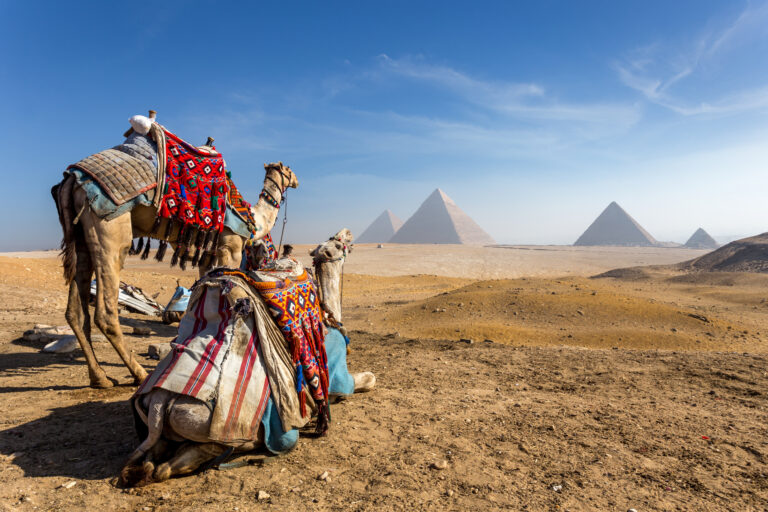
Enjoy visiting the first tourist destination in Egypt, one of the Seven Wonders of the World, the Pyramids, the Sphinx,...
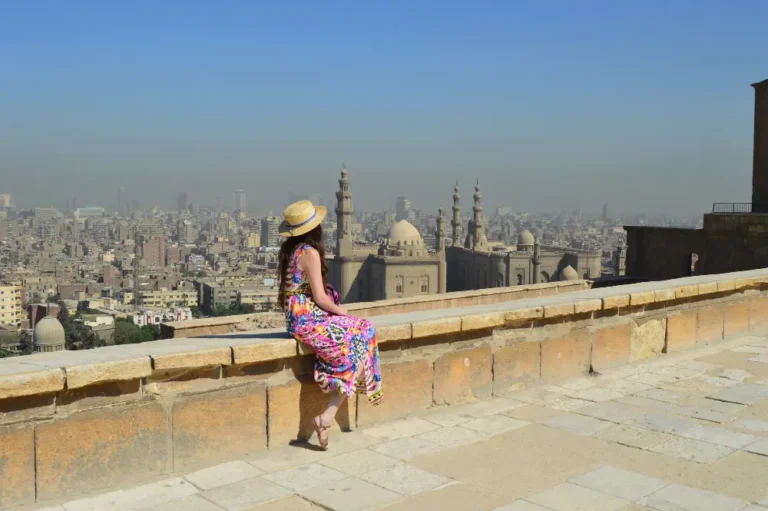
A 2-Day Private Guided Tour from Hurghada to Unforgettable Cairo Adventure Do not let the memorial photos of your tour...
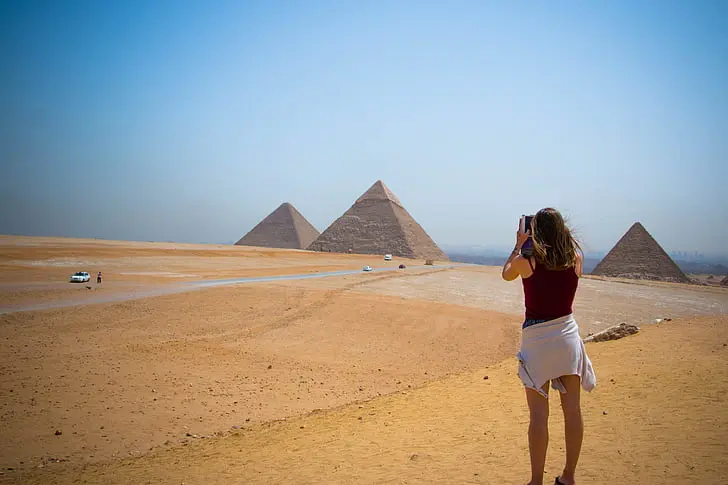
Enjoy visiting the famous landmarks of Egypt on a private and comfortable day trip. We offer you the most comfortable...
The Egyptian Museum Location
It is located in the center of Cairo, near Tahrir Square.
Who built the Egyptian Museum?
The construction of this museum dates back to the year 1835, and its location was then in Azbakeya Park, where it included a reasonable number of various antiquities at that time.
Then it was transferred with its contents to the second exhibition hall in the Salah al-Din Citadel, until the French Egyptologist Auguste Mariette, who was working at the Louvre Museum, thought of opening a museum.
It included antiquities on the shore of the Nile at Bulaq, and when these antiquities began to be flooded, they were transferred to a special annex in the palace of Khedive Ismail in Giza.
Then the Egyptologist Gaston Maspero got approval to open the museum in 1902, during the reign of Khedive Abbas II, in its current location in the heart of Cairo.